Lab Journal
GSM 101: Why T-Shirt Fabric Weight Actually Matters
Not all cotton is created equal, no matter what the size chart on a fast-fashion label wants you to believe. Some tees go see-through after one wash and start clinging like they're auditioning for a horror movie; ours are built to survive gym bags, questionable laundry habits, and everything your training throws at them.
This is GSM 101: the unglamorous science behind fabric weight, why it's the real spec sheet hiding under every tee you own, and why the entire Toxic Lab Series runs suspiciously heavy — just like our commitment to natural gains.
What GSM Actually Means
GSM stands for grams per square metre — literally how much a single square metre of fabric weighs when you put it on a scale. It's the closest thing the fashion industry has to a nutrition label, except nobody reads it until their tee falls apart in the wash.
The math is simple: higher GSM means denser, thicker cotton, while lower GSM means lighter, thinner fabric that lets more air (and more light) through. No marketing spin required, just grams doing the talking.
Featherweight vs. Heavyweight: The Real Difference
A basic 150–180 GSM tee is what most fast fashion runs on: light, cheap, and borderline transparent under gym lighting. It folds into nothing, which is exactly the problem when you want a tee that actually holds a shape on your back.
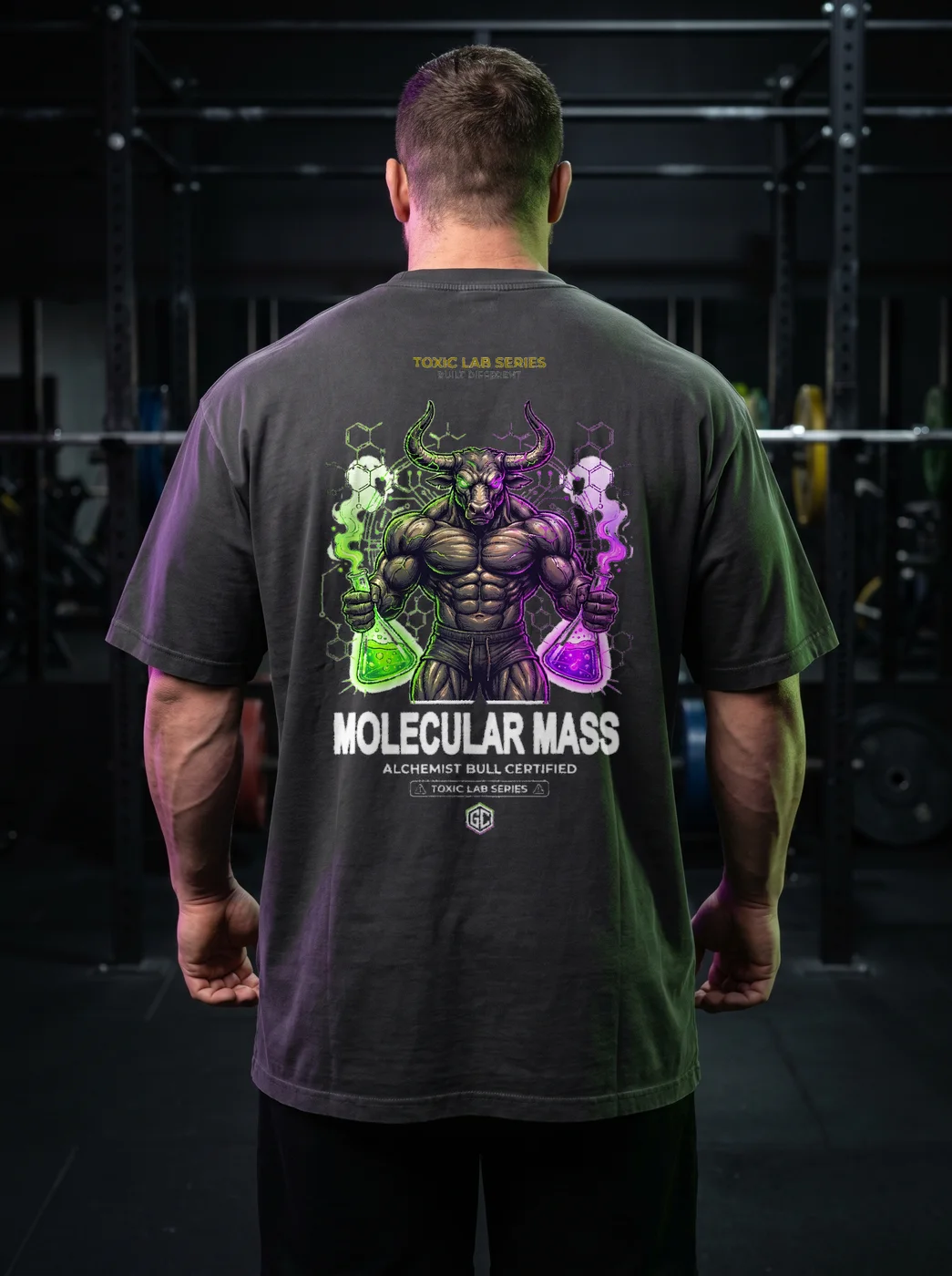
Our Toxic Lab tees sit north of 240 GSM — structured, opaque, and heavy enough to hang right instead of clinging to you halfway through set three. You feel the difference the second you pick it up, long before you read the tag.
Why the Toxic Lab Series Runs Heavy
Big pictorial back prints need a canvas that won't wrinkle, crack, or fade into a ghost of itself after the fifth wash — non-negotiable when the artwork is basically half the product. Thin fabric just can't hold that much ink without warping.
Heavyweight cotton grips the print better, drapes with real structure instead of floating around, and survives the kind of training — and questionable genetics — our whole brand jokes about. It's the fabric equivalent of skipping leg day: it shows.
How Weight Feels: Drape, Durability, Wash After Wash
Heavier fabric drapes with a bit of structure instead of clinging to every angle, so an oversized fit reads as intentional instead of accidental. There's a reason heavyweight tees look better in photos and worse in the dryer if you ignore the care label.
It also survives more wash cycles without pilling, thinning, or going see-through, which matters when a tee is quietly doing double duty as the only decent shirt you own on laundry day. Buy once, wash a hundred times, still look like the label meant it.
Finding Your GSM
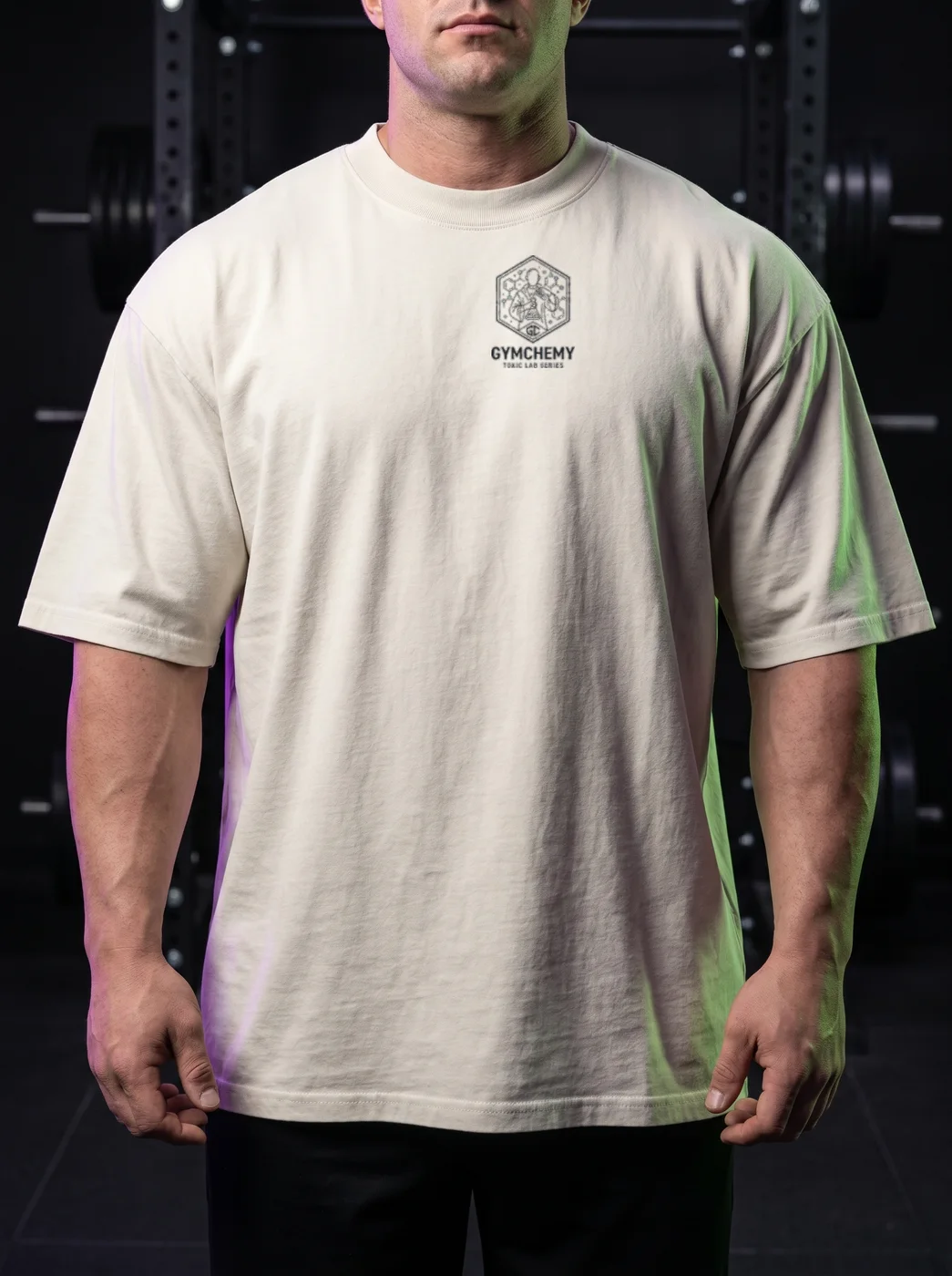
Run hot or live somewhere tropical? A mid-weight piece still holds its structure without feeling like a blanket you accidentally wore outside. Want maximum presence and a tee that basically stands up on its own? Go heavyweight and let the fabric do the talking.
Either way, check the size guide before you order — heavyweight cotton fits differently than the thin stuff you're used to, and oversized is a deliberate fit, not an excuse to guess your size. Get it right once and never think about it again.